
Therapy for burnout that helps you recover, not just cope
Burnout is not a personal failing. It is what happens when you have given too much for too long without enough support, and therapy for burnout in New York can help you rebuild from the inside out.
If you are running on empty, feeling numb or cynical about work you once cared about, and finding that rest no longer restores you, you may be burnt out. I combine talk therapy, somatic work for nervous system regulation, parts work, boundary repair, values clarification and mind-body tools, so recovery addresses not only your exhaustion but the patterns and pressures that led you here.

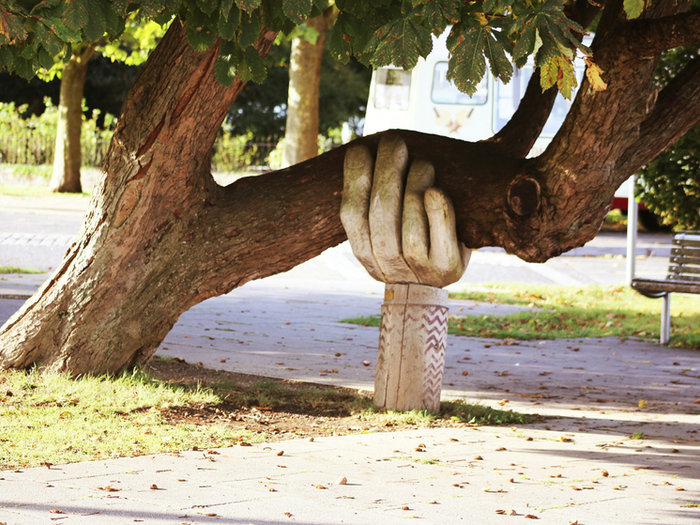
“Burnout is not proof that you are weak. It is usually proof that you have been strong, alone, for far too long.”
Recovery begins when we stop asking what is wrong with you and start asking what you have been carrying, and who was meant to help carry it.
Understanding burnout and why rest isn't enough

Burnout is a state of physical, emotional and mental depletion that develops after prolonged overextension, usually when demands persistently outstrip the resources, recognition and support available.
Burnout tends to have three threads. The first is exhaustion: a deep tiredness that a weekend or even a holiday does not touch. The second is detachment, sometimes experienced as cynicism, irritability or numbness towards work, people or causes you once cared about. The third is a sense of reduced effectiveness, the feeling that however hard you try, you are achieving less and less. Together they can leave you wondering where the capable, engaged version of yourself has gone.
Although burnout is most often linked to paid work, it can arise anywhere you give more than you receive: caregiving, parenting, activism, creative careers, studying, or holding a family or community together. It is particularly common among people in helping professions, social justice advocates, artists and anyone whose identity is closely tied to what they do. When work is meaningful, it can be harder to notice when it is also depleting you.
Burnout is not only a matter of personal resilience. It is shaped by workloads, workplace cultures, inequity, financial pressure and, for many people, the extra labour of navigating discrimination or being one of very few in a room. I hold both levels in mind: the systems that make burnout likely, and the personal patterns that make it harder to step back.
Burnout in the body
Prolonged stress keeps the nervous system switched on until, eventually, it can swing into shutdown. People often notice disrupted sleep, frequent illness, headaches, digestive problems, a heavy or wired feeling, and difficulty concentrating or remembering things. Because burnout lives in the body, recovery needs to include the body. Somatic work helps your system move out of survival mode and relearn what genuine rest feels like, rather than simply collapsing between demands.
Burnout, depression and anxiety
Burnout overlaps with depression and anxiety, and one can lead to the other. Burnout is often tied to particular demands and may lift somewhat when they ease, whereas depression tends to colour every area of life. A careful psychiatric assessment helps tell them apart, which matters because the most helpful support may differ. If you ever feel hopeless or have thoughts of not wanting to be here, please reach out: you can call or text 988 at any time.
Are you running on empty?
Burnout often creeps in gradually, so it can be hard to see from the inside. You may still be functioning well enough that others do not notice anything is wrong. If several of these feel familiar, it may be time to stop pushing through and get support.
- Exhaustion that sleep does not fix
- Dreading Sunday evenings
- Feeling numb, cynical or detached
- Snapping at people you care about
- Struggling to focus or remember
- Getting ill more often
- Losing joy in things you loved
- Feeling guilty whenever you rest
- Unable to say no
- Wondering what the point is
A whole-person approach to burnout recovery
Burnout recovery is not about learning to tolerate more. It is about restoring your energy, understanding what drove you past your limits and building a life that is sustainable. I draw on several approaches and blend them around what you need most at each stage.
Nervous system regulation
Somatic work helps your body move out of chronic fight-or-flight or shutdown. You learn to notice early signs of depletion, practise grounding and resourcing, and gradually rebuild your capacity for real rest rather than exhausted collapse.
Parts work
Most of us have a part that pushes relentlessly, a part that wants to hide and a part that is quietly furious. Parts work helps you understand these inner voices with compassion so the driven part no longer has to run everything alone.
Boundary repair
We explore what makes saying no so difficult, whether that is fear of letting people down, guilt, or a deep sense that your worth depends on being useful. Then we practise boundaries that protect your energy without abandoning what matters to you.
Values clarification
Burnout often signals a gap between how you are living and what you actually value. Together we clarify what matters most to you now, which can guide decisions about work, relationships and commitments as you recover.
Talk therapy with depth
Psychoanalytic, feminist and relational perspectives help us look at where your patterns of overextension began and how wider pressures, such as gender expectations, perfectionism or workplace culture, have shaped them. Understanding these roots makes lasting change possible.
Mind-body and lifestyle tools
We look at sleep, nourishment, movement and recovery time, and I may discuss supplements that may support energy or sleep, reviewed for safety and interactions. If anxiety or low mood are significant, we can also consider whether medication might help.
Why pushing through keeps you stuck
Most people try to cope with burnout by doing more of what got them there. Recovery asks for something different.
Coping
- Waiting for the next holiday to fix it
- Adding self-care to an overflowing list
- Working harder to prove you are fine
- Ignoring the body until it forces a stop
- Blaming yourself for not managing
Recovering
- Restoring rest at a nervous system level
- Removing load, not just adding remedies
- Understanding the urge to overextend
- Listening to early warning signs
- Seeing the systems as well as yourself
Beginning burnout therapy without adding pressure
The last thing you need is another demanding commitment, so we keep the process simple and gentle.
-
1
Free consultation 15 minutes
A short, easy call to talk about how you are feeling and what has led to this point. You do not need to have the words for it. We will simply see whether my approach feels like a good fit for what you need.
-
2
Understanding the whole picture 90 minutes
In our first full session we look at your workload, relationships, sleep, health, mood and history, and at what drives you to keep going past your limits. This helps distinguish burnout from depression or anxiety and shapes our plan.
-
3
Stabilise and restore
Early work focuses on reducing strain and helping your nervous system recover: practical changes, somatic practices and permission to rest. If medication or supplements may help, we discuss them carefully and decide together.
-
4
Rebuild sustainably 60 or 90 minutes
As energy returns, we explore the deeper patterns behind your burnout, repair boundaries and clarify your values. The aim is not to return to how things were, but to build a way of living and working you can sustain.

Francesca Rome-Marie, PMHNP-BC
I bring together psychiatry, psychotherapy, somatic work and whole-body health, informed by years in primary care and further study in gender theory, feminist thought, culture and visual art.
I keep a deliberately small caseload so that every client receives consistent, unhurried and genuinely attentive care, held within one relationship rather than split across several providers.
Clear, upfront rates
I don't accept insurance. Modern Holistic Psychiatry is an out-of-network provider, so sessions are paid for directly. Depending on your plan, you may be able to claim reimbursement through your out-of-network benefits.
Find out how much your insurance may coverNeed urgent support? If you're in crisis or thinking about harming yourself, call or text 988 (Suicide & Crisis Lifeline) or call 911.
Therapy for Burnout FAQs
How does therapy for burnout in New York work with you?
We start by understanding what has depleted you and how burnout is showing up in your body, mood and relationships. Early sessions focus on stabilising and restoring energy through somatic work and practical changes. As you recover, we look at the deeper patterns, values and boundaries involved. Sessions are 60 or 90 minutes, which gives an unhurried space that many burnt-out people have not had in a long time.
Is burnout a medical diagnosis?
Burnout is widely recognised as an occupational phenomenon rather than a mental health diagnosis in its own right. However, it can overlap with, or lead to, conditions such as depression, anxiety and sleep disorders. As a psychiatric nurse practitioner I can assess whether anything beyond burnout is going on, which helps make sure you receive the right kind of support.
Do I need to leave my job to recover from burnout?
Not necessarily. Many people recover while staying in their roles by changing how they work, renegotiating boundaries and restoring their capacity for rest. For others, therapy brings clarity that a change is needed. I will not push you towards any particular decision. Our work is to help you see your situation clearly and make choices from a steadier place rather than from exhaustion.
How long does burnout recovery take?
It depends on how long you have been depleted, what is still demanding your energy and the support around you. Some people notice relief within weeks of slowing down and getting support, while deeper recovery often unfolds over months. I cannot offer a fixed timeline, but we will review progress regularly and adjust as your energy returns.
I work in a helping profession. Is burnout different for me?
People in caring roles, including therapists, healthcare workers, educators and advocates, often face particular pressures: emotional labour, exposure to others' distress and a strong sense of duty that makes rest feel selfish. I have worked in healthcare myself and understand these dynamics. Therapy offers a space where you do not have to be the helper, and where your own needs come first.
Can medication help with burnout?
Medication does not treat burnout itself, but it can sometimes help with related difficulties such as depression, anxiety or severe sleep problems that make recovery harder. If that applies to you, I can assess, discuss options and prescribe if you choose. Any medication is started or changed gradually and monitored closely, as one part of a wider plan.




You do not have to keep pushing through
Book a free 15-minute consultation and let us talk about what recovery from burnout could look like for you.